

Understanding the Difference Between Casual and Formal Wear is essential for anyone who wants to make a great impression in different settings. Whether you’re preparing for a business meeting, a wedding, or a casual weekend outing, knowing what counts as formal, semi-formal, or casual dress helps you look stylish and confident.
But what exactly do these dress codes mean? What is a formal dress? What is a casual dress? How do you choose between formal attire for men or formal attire for women, and what’s considered casual attire for each?
In this detailed guide, we’ll explore 10 key differences between casual and formal wear, explain the meaning of formal attire, and help you dress appropriately for every occasion.
Women Clothing That Brings Calm and Style
Best Dresses for Women at Satvik Style – Soft, Elegant, Mindful
1. Definition and Meaning
What Formal Attire Means

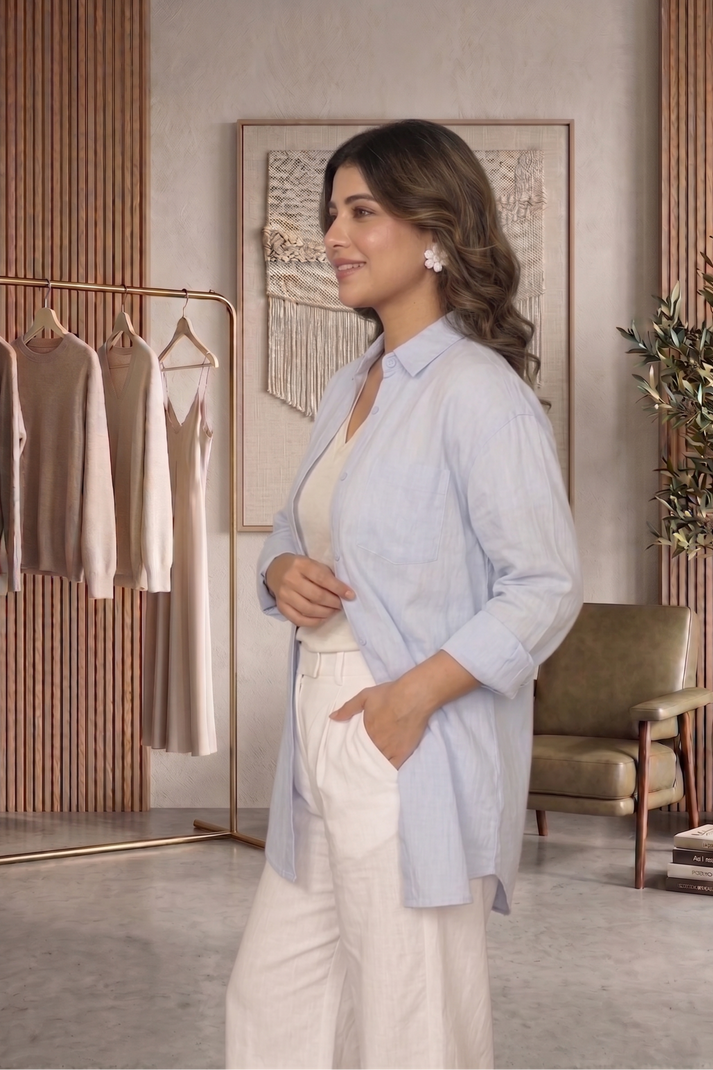
Let’s start by understanding what formal attire means. Formal attire refers to a dress code that emphasizes elegance, sophistication, and structure. It’s typically worn for events such as weddings, galas, award ceremonies, or corporate dinners.
The formal attire meaning can differ slightly between cultures, but it generally includes high-quality fabrics, polished accessories, and a refined appearance.
- For men: Formal attire for a man often means a tuxedo, a formal suit, or a dark-colored dress suit with a tie.
- For women: What is formal attire for a woman? It usually means a floor-length gown, cocktail dress, or a tailored pantsuit with heels and elegant accessories.
What Is a Casual Dress?
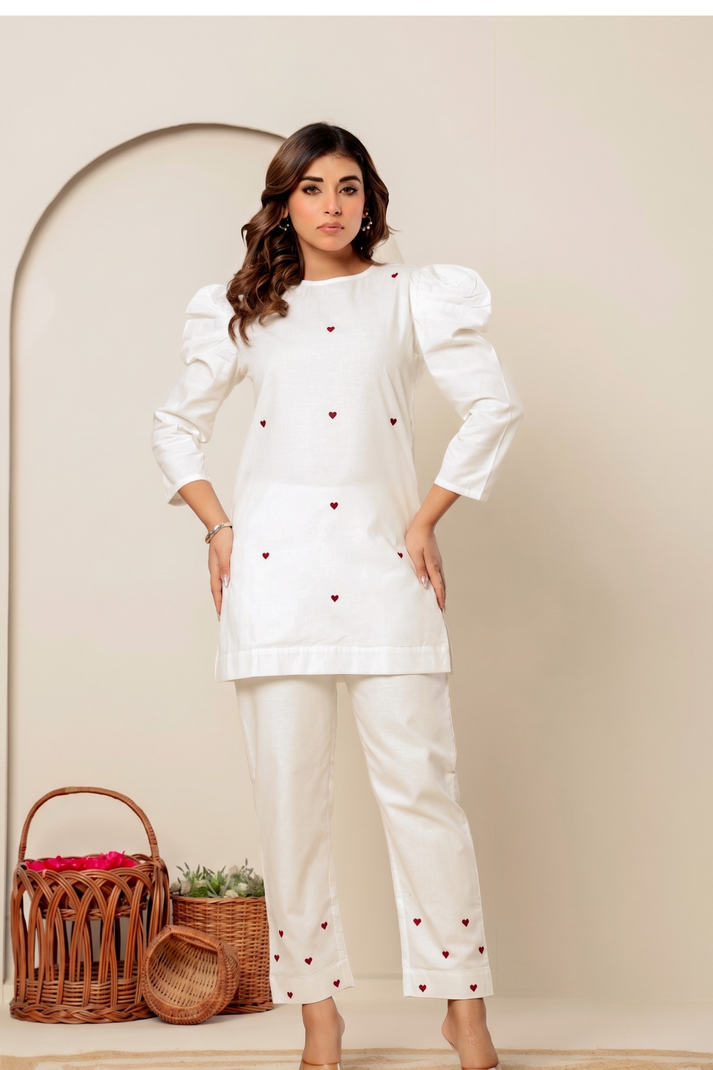
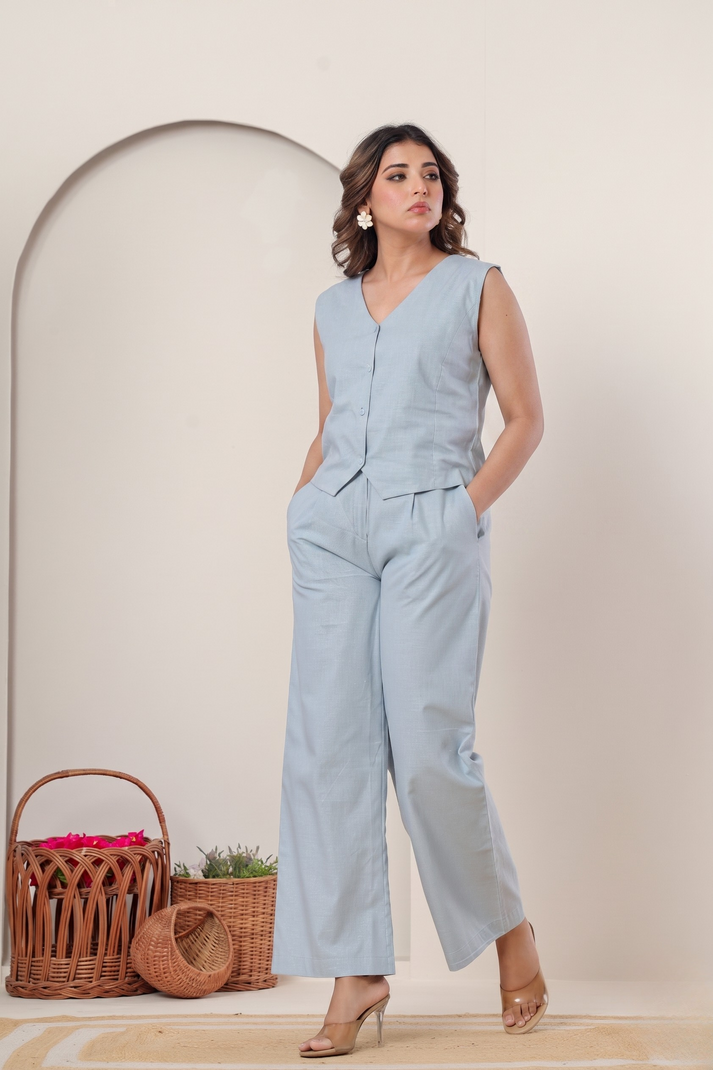
On the other hand, casual dress is relaxed, comfortable, and suitable for everyday wear. Jeans, T-shirts, sneakers, and summer dresses all fall under this category. What is casual attire for men? It can mean jeans with a polo shirt or chinos with a casual button-up. What is casual attire for women? It could be a sundress, denim, or comfortable trousers with a blouse.
The Difference Between Casual and Formal Wear begins here: while formal wear emphasizes sophistication, casual wear prioritizes comfort and personal style.
2. Occasion and Purpose
The biggest Difference Between Casual and Formal Wear is the setting where each is appropriate.
- Formal wear is reserved for significant, prestigious, or ceremonial occasions — think weddings, business meetings, award nights, or formal dinners.
- Casual wear is for everyday life — hanging out with friends, running errands, or casual social gatherings.
Knowing the occasion helps you decide whether to dress formally or casually. Wearing a T-shirt to a black-tie event or a tuxedo to a picnic would both feel out of place.
3. Fabric and Material
Formal clothing often uses luxurious materials such as silk, satin, chiffon, velvet, or wool blends. These fabrics hold structure and exude class.
Casual wear uses comfortable, breathable fabrics such as cotton, denim, jersey, or linen. They’re perfect for daily wear because they allow easy movement and flexibility.
So, the Difference Between Casual and Formal Wear is not just style—it’s also the fabric used to create the outfit.
4. Design and Detailing
Formal clothes are designed with precision and subtle detailing. Think pleated trousers, tailored jackets, and neatly stitched seams. Every detail—from buttons to lapels—is carefully crafted.
Casual clothes often focus on comfort and expression. They might include bold prints, distressed textures, or oversized fits. Fashion trends play a bigger role in casual dressing than in formal wear.
This design contrast is a clear Difference Between Casual and Formal Wear — one values precision and structure, while the other embraces freedom and personality.
5. Color Palette and Style Tone
The color palette is another visible difference.
- Formal attire usually sticks to neutral, dark, or muted tones—black, navy, charcoal, grey, and white are most common.
- Casual attire, however, allows experimentation with colors, patterns, and textures.
Wearing a bright Hawaiian shirt at a corporate meeting would be inappropriate, just as wearing a black tuxedo to a beach outing would feel overdressed.
6. Accessories and Footwear
Accessories complete any outfit, but the type you choose depends on the dress code.
- Formal accessories include cufflinks, pocket squares, ties, tie pins, belts, and polished leather shoes. For women, it means elegant jewelry, heels, and clutches.
- Casual accessories are simpler—caps, scarves, sneakers, or casual bags.
Again, the Difference Between Casual and Formal Wear extends to accessories—formal is minimalistic and sophisticated, while casual is expressive and flexible.
7. Grooming and Presentation
Formal attire is incomplete without proper grooming. Hair should be neatly styled, shoes polished, and clothes well-pressed.
Casual wear is more forgiving. A clean, tidy look is enough—wrinkles or laid-back hairstyles are acceptable.
For business or social events, understanding what formal attire for a man or what formal attire for a woman entails can make a big impact on first impressions.
8. Gender-Specific Styles
Formal Dress Attire for Men
Formal dress attire men typically includes:
- Tuxedos or dark suits
- Dress shirts (white or light colors)
- Neckties or bow ties
- Polished black or brown dress shoes
For professional settings, this is what formal attire for men generally looks like.
Formal Dress Attire for Women
What is formal attire for a woman?
- Floor-length gowns
- Elegant cocktail dresses
- Tailored pantsuits or skirts
- Subtle, classic jewelry
Women’s formal dress attire tends to emphasize elegance and poise.
Casual Attire for Men and Women
- What is casual attire for men? Jeans, chinos, polos, T-shirts, and loafers or sneakers.
- What is casual attire for women? Skirts, jeans, casual blouses, T-shirts, or dresses with flats or sneakers.
This gender-based difference helps define the Difference Between Casual and Formal Wear across various wardrobes.
9. The Semi-Formal Middle Ground
Between casual and formal lies the semi-formal dress code, which often confuses people.
What is Semi Formal Wear?
Semi-formal attire is a blend of relaxed sophistication. It’s less rigid than full formal wear but more elevated than casual clothing. It’s ideal for cocktail parties, office events, and dinner dates.
- Semi formal wear for guys: Dress shirts, tailored trousers, loafers, and blazers—ties are optional.
- Semi formal attire male: Can also include dark jeans with a blazer for a modern twist.
- Semi formal attire for a woman: Midi dresses, jumpsuits, skirts with blouses, and moderate heels.
- Semi formals balance professionalism and comfort perfectly.
If you’re unsure what to wear, semi-formal is a safe choice—it bridges the difference between casual and Formal wear elegantly.
10. Versatility and Impression
Finally, the last key difference is versatility.
- Casual wear allows freedom of expression—you can dress it up or down easily.
- Formal wear, however, conveys respect, power, and professionalism. It’s less flexible but leaves a lasting impression.
Wearing the right outfit for the right occasion shows confidence and respect for social etiquette. Mastering the Difference Between Casual and Formal Wear helps you look appropriate, stylish, and self-assured in every setting.
Formal Wear: When to Choose It
Formal wear is best for:
- Weddings
- Business meetings
- Ceremonies
- Graduations
- Award nights or galas
These occasions demand poise, and understanding what formal attire means ensures you meet expectations.
Casual Wear: When to Choose It
Casual wear fits best for:
- Daily errands
- Vacations
- Friendly gatherings
- Informal outings
If comfort and personal style are your goals, casual attire is perfect.
Semi-Formal Wear: The Perfect Balance
Semi-formal wear is a smart compromise for:
- Cocktail parties
- Networking events
- Receptions
- Dinner dates
Understanding what is semi formal wear ensures you’re stylish yet comfortable.
Elevate Your Wardrobe with Satvik Style
Ready to redefine your look? Discover Satvik Style exclusive range of elegant formal wear, relaxed casual outfits, best party dresses for women, and stunning festive dresses for women — all crafted to suit every occasion!
Conclusion
In today’s world, fashion is about expressing your personality while respecting social norms. Knowing the Difference Between Casual and Formal Wear allows you to adapt to every occasion with confidence.
Whether you’re deciding what formal attire means, choosing what is a casual dress, or picking the right semi-formal outfit, understanding these categories helps you dress with clarity and class.
So, next time you’re preparing for an event, remember:
- Formal = Elegance and structure
- Casual = Comfort and creativity
- Semi-formal = Balance between both

Best Dresses for Women of Every Body Type
Comfortable, stylish, and crafted with sustainable fabrics for mindful living.
Shop Now


